
Higher Fuel Taxes Becoming a Major Cause of Inflation in Pakistan, New Study Warns
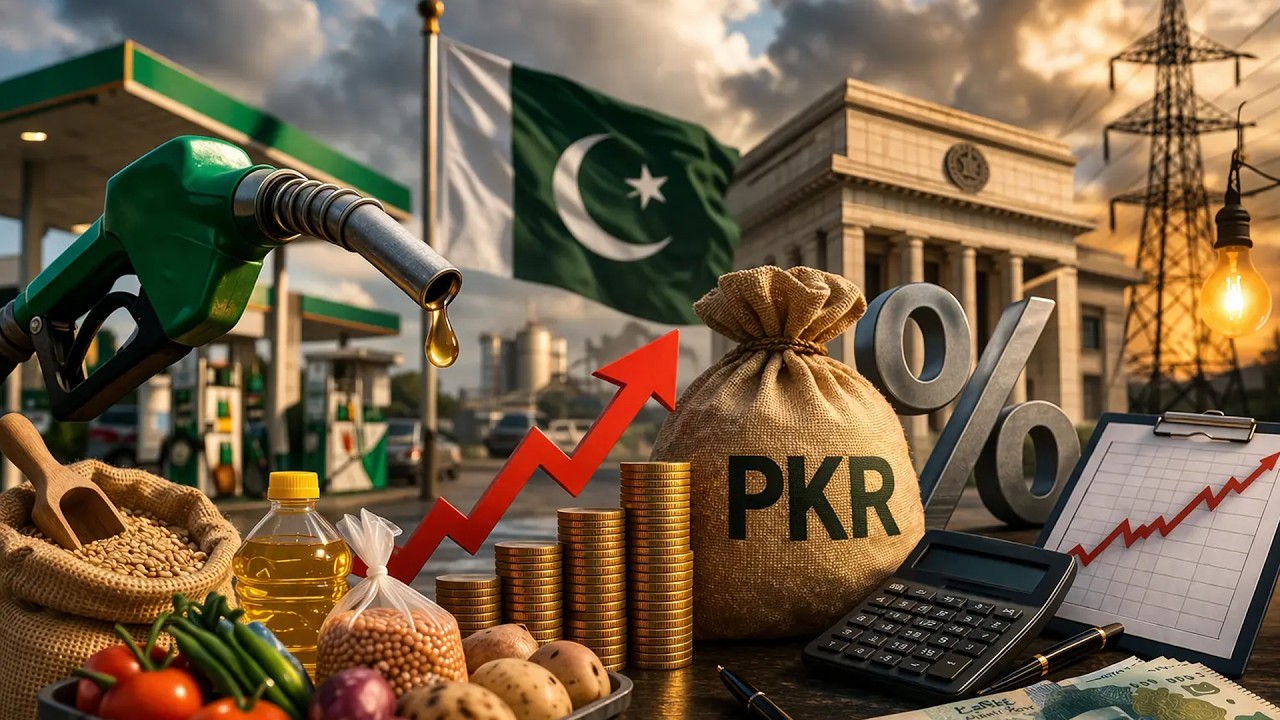
A report released by the Policy Research and Advisory Council (PRAC) argues that the petroleum levy has gradually transformed from a mechanism designed to stabilize fuel prices into a major source of government revenue. According to the study, repeated increases in the levy have raised fuel prices, increased transportation and manufacturing expenses, and fueled inflation throughout the economy.
The report highlights a sharp rise in inflation over recent months. Pakistan’s inflation rate climbed from 7.3 percent in March to 10.9 percent in April before reaching 11.7 percent in May 2026. During the same period, the petroleum levy on petrol surged to Rs. 117.4 per litre, significantly increasing the burden on consumers despite periods of easing international oil prices.
Transport and Energy Costs Driving Price Pressures
Researchers identified transportation and energy expenses as the largest contributors to inflationary pressures. Transport inflation rose by 36.8 percent year-on-year in May, while housing, electricity, gas, and fuel costs increased by 16.8 percent. Together, these categories accounted for more than half of Pakistan’s overall inflation rate.
The study notes that diesel prices have a particularly strong impact on inflation because diesel is widely used in freight transport, agriculture, public transportation, and industrial operations. Any increase in diesel prices quickly filters through supply chains, leading to higher prices for food, consumer products, and industrial goods.
Diesel Levy Increases Raise Concerns
According to the report, the government temporarily removed the diesel levy in April when global oil prices surged. However, the levy was reintroduced in May and increased five times within less than a month. By the end of May, the diesel levy had risen from Rs. 28.7 per litre to Rs. 68.9 per litre. Researchers argue that these tax increases have intensified inflationary pressures across the economy.
The study also highlights a significant shift in fuel pricing trends. Traditionally, diesel has remained cheaper than petrol because of its importance to agriculture and commercial transportation. However, by the end of May, both fuels were selling at nearly identical prices, reflecting the growing influence of taxation rather than global crude oil movements.
READ MORE: PTA Shares Easy Codes to Check and Cancel Unwanted Mobile Subscriptions in Pakistan
Inflation Driven by Costs Rather Than Demand
PRAC researchers describe the current inflationary cycle as largely “cost-push” inflation. They argue that rising fuel levies, utility tariff adjustments, and government-administered prices are responsible for much of the increase in consumer prices rather than strong demand from households and businesses.
The report further suggests that relying solely on higher interest rates may not effectively address inflation because monetary policy cannot directly reduce fuel taxes or government-imposed charges. Instead, higher borrowing costs could discourage investment and slow economic growth without resolving the underlying causes of inflation.
Policymakers Urged to Reassess Fuel Tax Strategy
The study warns that policymakers need to distinguish between demand-driven inflation and inflation caused by fuel taxes. Failure to do so could leave businesses and consumers facing persistently high costs even when global oil prices stabilize or decline. Researchers believe a more balanced approach between fiscal and monetary policies is necessary to control inflation without undermining economic growth.
As Pakistan continues to grapple with rising living costs, the debate over fuel taxation is expected to remain central to economic policymaking in the months ahead. With transportation and energy costs influencing nearly every sector of the economy, future decisions regarding petroleum levies could play a crucial role in determining the country’s inflation trajectory.