

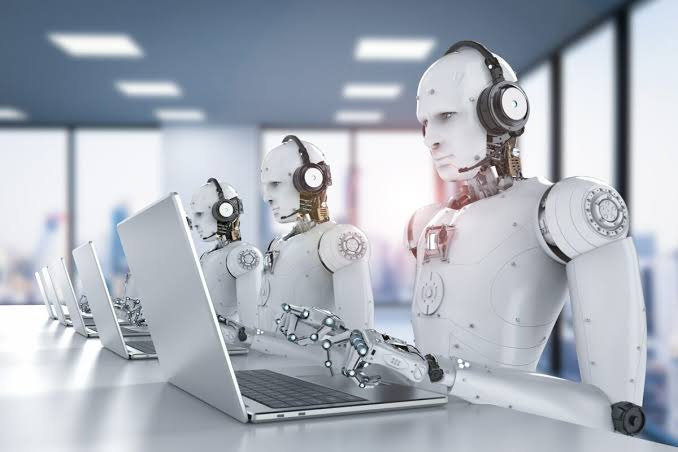
A recent report highlights a growing concern in workplaces where employees are increasingly spending significant time supervising and correcting AI systems rather than focusing on their primary responsibilities.
While artificial intelligence is designed to improve efficiency and automate repetitive tasks, many workers are finding themselves acting as “AI babysitters,” constantly reviewing outputs, fixing errors, and ensuring accuracy. This added layer of supervision is reducing the overall productivity gains expected from AI adoption.
Experts suggest that the issue stems from over-reliance on early-stage AI tools that still require human oversight. Instead of fully replacing manual effort, these systems often shift the workload into quality control and verification tasks.
READ MORE: Government Allocates Rs 16.29 Billion for IT Parks, AI Development, and Startups Under PSDP
The report also points out that organizations adopting AI without proper integration strategies may unintentionally increase operational burden. Employees in sectors such as content creation, data handling, and customer service are particularly affected.
Analysts recommend better training, improved AI models, and clearer workflow integration to ensure that artificial intelligence actually enhances productivity rather than creating additional work.