

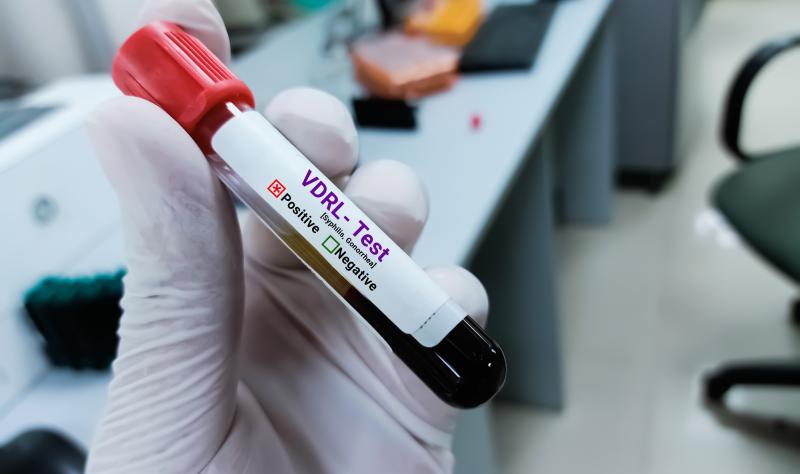
European health authorities have reported a major rise in sexually transmitted infections (STIs) across several countries, with gonorrhoea and syphilis cases reaching their highest levels in over a decade.
According to data from the European Centre for Disease Prevention and Control (ECDC), gonorrhoea cases across participating European countries increased by more than 300 percent compared to 2015 levels, while syphilis infections also more than doubled during the same period.
Health experts say the increase is linked to changing sexual behavior, reduced condom use, increased international travel, and improved testing systems that now detect more infections than before. Some reports also highlighted a rise in congenital syphilis cases, where infections are passed from mother to child during pregnancy.
READ MORE: Pakistan Announces 20-Member Squad for FIH Pro League
While the viral headline suggesting “Pakistanis should avoid Europe” is more sensational than official guidance, health authorities are encouraging travelers to remain cautious, practice safe behavior, and seek medical advice when necessary. No official travel ban or formal restriction for Europe has been announced.
Medical professionals continue emphasizing awareness, regular testing, and preventive measures as the best ways to reduce STI transmission globally.