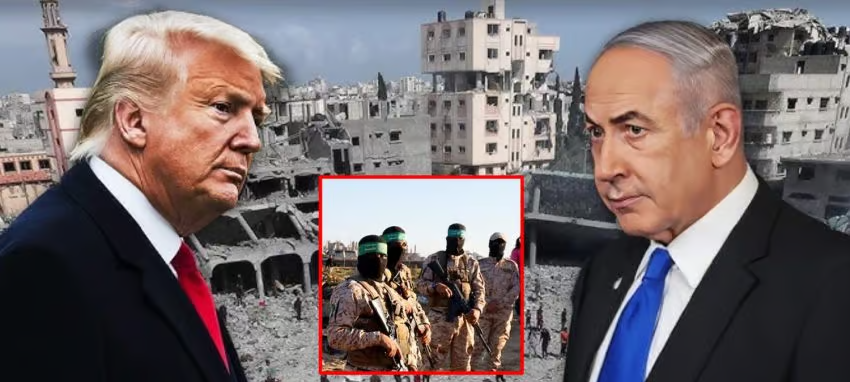

Iran has pushed back against statements from former U.S. President Donald Trump regarding a ceasefire and the state of hostilities, underscoring deep disagreements over the conflict’s status and future direction.
According to recent developments, Trump suggested that fighting with Iran had been reduced or paused under a ceasefire arrangement and implied that this could influence U.S. legal and military timelines. However, Iranian officials have not confirmed any unconditional acceptance of U.S.-framed terms and continue to maintain a hardline stance on key issues, including sanctions, military presence in the region, and control over strategic waterways.
The situation remains highly unstable, with Iran warning it will respond forcefully if it comes under renewed attack. Tehran has also linked any escalation to broader regional actions, particularly tensions involving the Strait of Hormuz, a critical global oil transit route that has already been disrupted during the conflict.
READ MORE: Iran War Day 63: Trump Signals Possible Renewed Attacks as Tensions Escalate
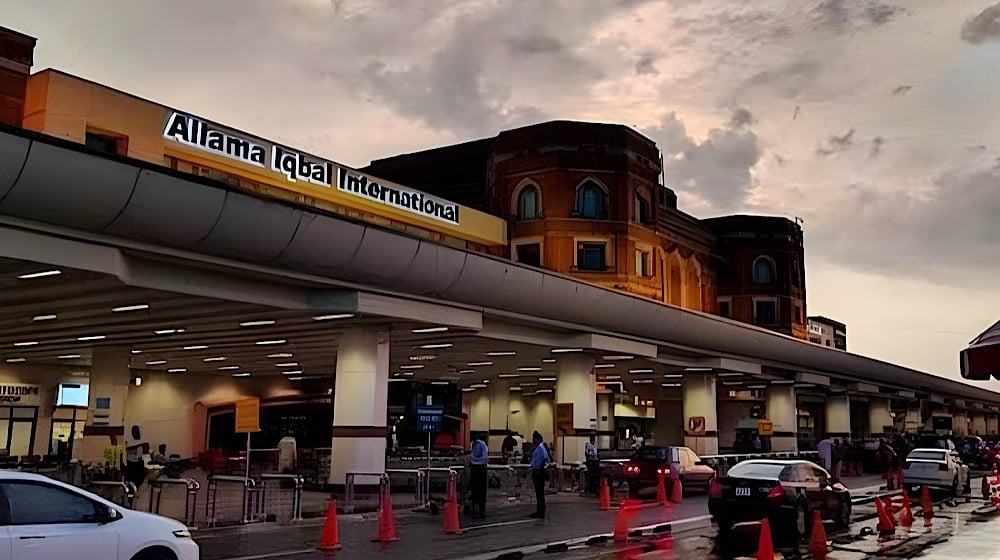
Diplomatic efforts involving third-party mediators, including Pakistan, have struggled to produce a lasting agreement. While temporary ceasefire understandings have been reported at various stages, both sides continue to accuse each other of violations and unmet conditions.
Meanwhile, the United States maintains pressure through military presence and sanctions, while also debating the legal and strategic limits of ongoing operations under war powers frameworks. Analysts say the gap between political declarations and battlefield realities remains significant, with no fully stable ceasefire in place.
As tensions persist, the risk of renewed escalation remains high, particularly if negotiations fail to bridge core disagreements over security guarantees, nuclear restrictions, and regional influence.