
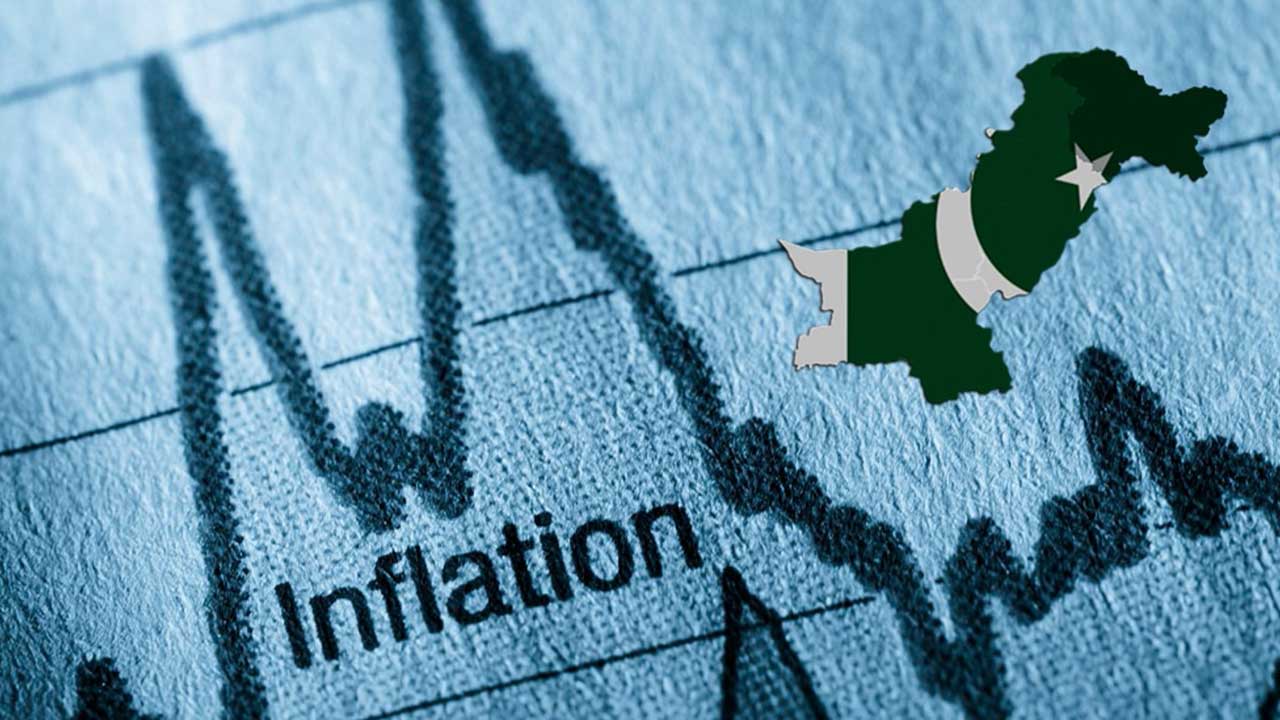
Pakistan’s average inflation is expected to fall significantly to 4.51% in fiscal year 2024–25, down from a staggering 23.41% recorded in FY24. If realized, this would mark the lowest inflation level since FY16, when it stood at just 2.9%.
According to a report by Arif Habib Limited, the sharp decline is attributed to a high base effect, easing food prices, and lower transportation costs following a drop in petroleum prices. However, despite the headline inflation easing, core inflation—measured by Non-Food Non-Energy (NFNE)—is projected at 9.73% for FY25, down from 18.8% in FY24. This signals that underlying inflationary pressures remain strong.
READ MORE:
“America Unleashes B-2 Bombers on Iran’s Nuclear Sites: GBU-57 Used in Historic First Strike”
Looking ahead to FY26, inflation is expected to stay within the State Bank of Pakistan’s targeted range of 5–7%, with estimates currently at 6.6%.
Economists caution that several risks could still disrupt this outlook. These include geopolitical instability, global commodity price shocks, exchange rate volatility, and higher import costs.
While the overall trend points to relief for consumers and businesses, experts stress that consistent policy and external stability will be critical in maintaining inflation within manageable limits in the coming years.