

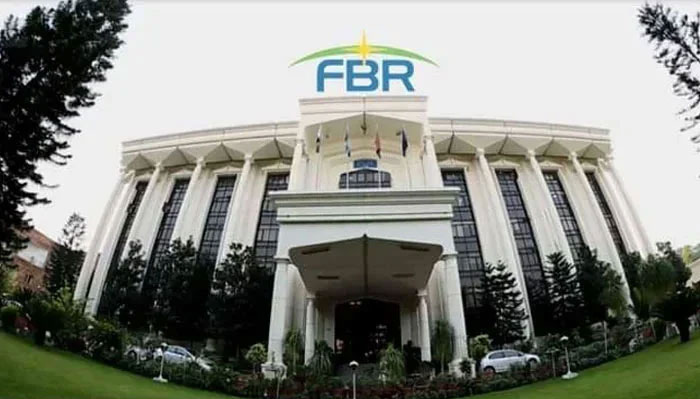
Pakistan’s tax authorities are facing renewed pressure to fix structural flaws in the country’s digital taxation system, as the Pakistan Tax Bar Association (PTBA) has submitted a comprehensive set of 12 reform proposals to the Federal Board of Revenue (FBR).
In its formal recommendations to FBR Chairman Rashid Mahmood Langrial, the PTBA highlighted serious gaps in system design, governance, and legal alignment, warning that these weaknesses could undermine the effectiveness of ongoing tax digitization efforts.
Key Issues in the Digital Tax System
According to the association, one of the major concerns is the disconnect between digital processes and existing tax laws. Several components of the system are not fully aligned with statutory provisions, creating confusion and compliance challenges for taxpayers.
The PTBA also pointed out missing functionalities, including incomplete integration of Harmonized System (HS) codes and the absence of a proper mechanism to correct errors in digital records. This has made it difficult for taxpayers to rectify mistakes efficiently.
READ MORE: Pakistan Raises Military Spending by 11% to Reach $11.9 Billion in 2025 Amid Rising Security Needs
12 Proposals to Fix the System
To address these shortcomings, the tax body has proposed a structured reform plan that includes:
- Full alignment of all tax laws, rules, and statutory regulatory orders (SROs) within the IRIS system
- A comprehensive system audit starting from SRO 297(I)/2023 to identify compliance gaps
- Complete integration of HS codes into tax returns and invoicing modules
- Standardization of measurement units in accordance with the Sales Tax Act 1990
- Introduction of a formal correction mechanism with audit trails for transparency
Additionally, the PTBA emphasized the need for a robust complaint resolution framework. It proposed a system where taxpayers can directly report issues to FBR and Pakistan Revenue Automation Limited (PRAL), with a clear escalation path and resolution timelines of 48 to 72 hours.🏛️ Governance and Accountability Reforms
The association also called for strengthening institutional governance. Key recommendations include restoring the position of an independent Member IT within the FBR and clearly defining responsibilities between FBR and PRAL.
Regular public reporting on system performance—such as uptime, error rates, and complaint resolution efficiency—was also suggested to improve transparency and accountability.
The Bigger Picture
The proposals reflect growing concerns within Pakistan’s business and tax community over the efficiency of digital tax infrastructure. While digitization aims to streamline compliance and boost revenue collection, unresolved technical and structural issues risk slowing progress.
Experts believe that implementing these reforms could significantly enhance taxpayer experience, improve compliance, and strengthen trust in the country’s evolving digital tax ecosystem.