

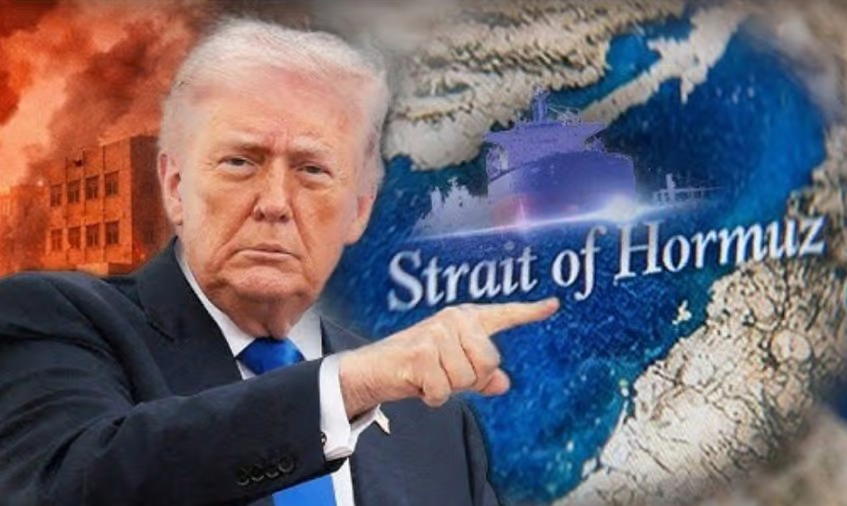
U.S. President Donald Trump has expressed strong dissatisfaction with Iran’s latest proposal to reopen the strategically critical Strait of Hormuz, as tensions continue to escalate over stalled nuclear negotiations.
The proposal, which aims to restore global shipping routes without addressing Iran’s nuclear program upfront, has been met with resistance from Washington—highlighting a growing diplomatic deadlock in the ongoing conflict.
What Iran Proposed
Iran’s offer reportedly focuses on:
- Reopening the Strait of Hormuz to global oil shipments
- Ending hostilities and easing maritime tensions
- Delaying discussions on its nuclear program to a later stage
The proposal is seen as an attempt to separate economic and security issues from nuclear negotiations, which remain the core dispute between both sides.
Why Trump Rejected the Proposal
The Trump administration has made it clear that any agreement must include Iran’s nuclear commitments upfront.
Officials indicate that:
- The U.S. will not accept a deal that postpones nuclear discussions
- Preventing Iran from developing nuclear weapons remains a top priority
- Partial agreements without strategic guarantees are unlikely to move forward
Trump is reportedly “not happy” with the proposal, viewing it as insufficient to address long-term security concerns.
RAED MORE: Govt Announces Scholarships for Children of Overseas Pakistanis — Here’s Who Can Apply
Why the Strait of Hormuz Matters
The Strait of Hormuz is one of the world’s most critical energy routes:
- Roughly 20% of global oil and gas trade passes through it
- Any disruption immediately impacts global energy markets
- Ongoing tensions have already pushed oil prices above $100 per barrel
The strait has been at the center of the conflict, with:
- Iran restricting shipping access
- The U.S. imposing a naval blockade
- Global supply chains facing severe disruptions
Diplomatic Efforts and Pakistan’s Role
Recent negotiations have involved regional diplomacy, including mediation efforts linked to Islamabad.
Iranian Foreign Minister Abbas Araghchi has been actively engaging with multiple countries to push forward a peace framework.
However:
- Talks have failed to produce a breakthrough
- Planned diplomatic visits have been canceled
- Both sides remain firm on their core demands
Global Impact of the Standoff
The continued disagreement is having widespread consequences:
Energy Markets
Oil prices remain volatile due to uncertainty over supply routes.
Global Trade
Shipping disruptions are affecting logistics and increasing costs worldwide.
Inflation Pressure
Higher energy costs are contributing to inflation across multiple economies.
A Strategic Stalemate
At the heart of the conflict is a fundamental disagreement:
- Iran wants sanctions relief and economic normalization first
- The U.S. demands nuclear guarantees before any concessions
This mismatch has created a situation where:
- Neither side is willing to compromise
- Temporary solutions are being rejected
- The risk of prolonged conflict remains high
What Happens Next
While diplomatic channels remain open, progress appears limited. Analysts suggest:
- Continued negotiations with no immediate breakthrough
- Possible escalation if talks collapse completely
- Increased pressure from global powers to stabilize the situation
The future of the Strait—and global energy markets—will largely depend on whether both sides can find common ground.
Conclusion
The rejection of Iran’s proposal by President Trump underscores the deep divide between economic pragmatism and strategic security concerns. While reopening the Strait of Hormuz could ease global pressures, the unresolved nuclear issue continues to block progress.
As tensions persist, the world watches closely. The stakes are no longer regional—they are global, with implications for energy, trade, and geopolitical stability.