
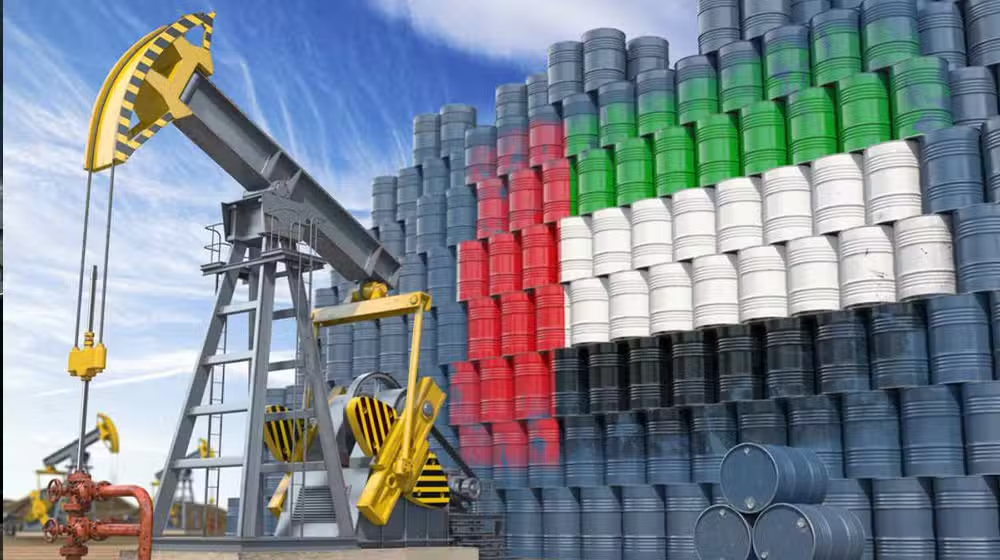
The United Arab Emirates has sent shockwaves through global energy markets by announcing its withdrawal from the OPEC and the broader OPEC+ alliance, marking one of the most significant shifts in the oil sector in decades.
The decision, which will take effect from May 1, 2026, follows a strategic review of the UAE’s long-term energy policies and production goals. Officials stated that the move aligns with the country’s ambition to gain greater control over its oil output and expand production capacity without the constraints of OPEC quotas.
The UAE, one of the largest oil producers in the alliance, has been a key member of OPEC for over 50 years. Its exit is widely seen as a major blow to the group’s ability to regulate global oil supply and stabilize prices. Analysts warn that losing such a significant producer could weaken OPEC’s overall influence in the global energy market.
The development comes at a time of heightened geopolitical tension, particularly due to the ongoing Iran conflict, which has disrupted oil shipments through the critical Strait of Hormuz—one of the world’s most important energy chokepoints. These disruptions have already contributed to volatility in oil prices and supply chains.
READ MORE: NEPRA Scraps Fees and Licensing for Small Solar Users in Major Policy Reversal
Experts believe the UAE’s departure could lead to increased flexibility in its oil production strategy, allowing it to boost output independently. While the immediate impact on oil prices may remain limited due to existing supply disruptions, the long-term implications could reshape global energy dynamics and reduce OPEC’s control over the market.
The move also highlights growing divisions within the alliance, particularly between major Gulf producers, and signals a shift toward more independent energy policies among key oil-exporting nations.