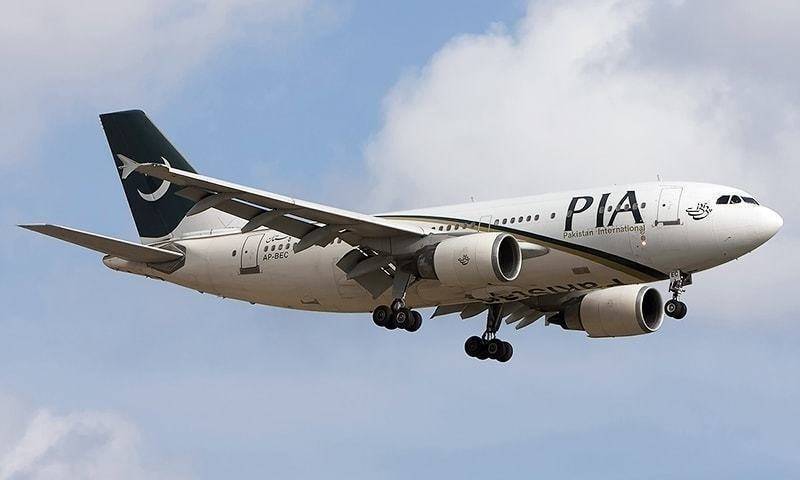


Middle East airspace closures impact flights after coordinated U.S. and Israel military strikes on Iran sparked new regional tensions, shutting down skies and forcing airlines worldwide to cancel or reroute international travel.
Coordinated military strikes carried out on February 28, 2026 by the United States and Israel against multiple targets in Iran have triggered sweeping Middle East airspace closures that impact flights across the region, causing global aviation disruptions and widespread cancellations.
Airspace Shutdowns and Flight Suspensions
In the wake of the strikes, several countries including Iran, Israel, and Iraq closed their airspace to civilian traffic, significantly restricting overhead routes traditionally used by international carriers.
-
Iran’s airspace was shut for several hours under a NOTAM (Notice to Airmen) issued by aviation authorities amid heightened hostilities.
-
Israel’s civil aviation authority ordered its airspace closed to all commercial flights as a state of emergency was declared, urging passengers not to go to airports until further notice.
-
Iraq also temporarily restricted its skies, aligning with regional safety precautions for commercial services.
Carriers including major international airlines have either suspended operations to and from conflict-affected destinations or rerouted long-haul flights to avoid the volatile airspace.
Global Aviation Impact
The closure of Middle Eastern airspace has far-reaching implications beyond regional borders. Since many long-haul flights connecting Europe, Asia, and North America transit through the skies over Iran and neighboring countries, airlines have been compelled to:
-
Cancel scheduled flights to Israel, Iran, and affected Gulf hubs.
-
Reroute aircraft around the conflict zone, lengthening travel times and increasing fuel costs.
-
Suspend routes temporarily, including services by carriers such as Lufthansa, Qatar Airways, Air France, Iberia, and Wizz Air.
The situation has led to operational headaches for airlines, with passengers facing uncertainty about international flight schedules and potential delays for months to come.
Safety and Diplomatic Concerns
Although no direct threats to civil aviation have been reported by authorities, the risk environment remains elevated. Aviation risk monitors noted that conflict-related missile and drone activity could pose indirect hazards to flights even farther from combat zones.
Governments and airlines are prioritizing passenger and crew safety, closely coordinating with international aviation regulators to determine when normal flight corridors can safely reopen.
Also Read:
Israel Attacks Tehran: Blasts Rock Iranian Capital Amid Escalating Tensions
What Passengers Should Know
Travelers booked on flights through the affected Middle East airspace are advised to:
-
Check airline notifications for updates on cancellations or reroutes.
-
Stay in contact with booking agents for rebooking or refund options.
-
Monitor official government travel advisories as the regional security picture evolves.
The airspace closures and flight disruptions reflect the broader, escalating geopolitical tensions in the Middle East, showing how armed conflict can rapidly reshape global aviation patterns and travel plans around the world.