

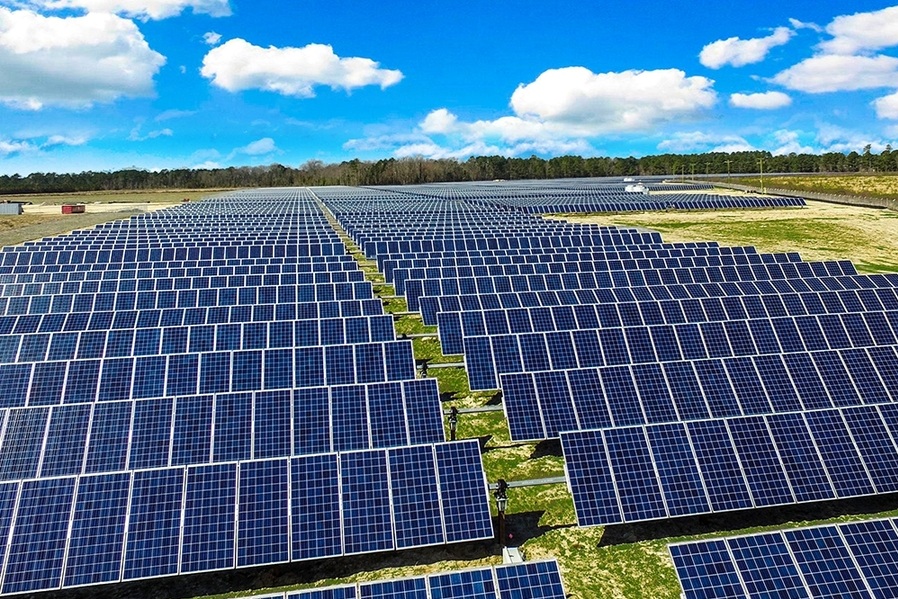
Solar Imports in Pakistan have played a major role in making air conditioners more affordable for millions of households by reducing dependence on expensive grid electricity. However, the federal budget proposals for FY2026-27 could increase the cost of solar equipment, potentially slowing the country’s rapid solar adoption and affecting the affordability of cooling solutions for consumers.
Solar Boom Changed Household Energy Consumption
Over the past few years, Pakistan has witnessed one of the fastest solar adoption rates in the world. Faced with rising electricity prices, load shedding concerns, and increasing energy costs, households and businesses invested heavily in rooftop solar systems as a long-term solution. The rapid growth in solar installations has reduced dependence on the national grid and helped consumers manage their monthly utility expenses.
The shift has been particularly significant for middle-income families that previously considered air conditioners a luxury due to high electricity bills. With solar power offsetting daytime electricity consumption, many households have been able to use cooling appliances more frequently without worrying about soaring monthly expenses.
Air Conditioners Became More Affordable
The growing availability of solar panels and falling installation costs have dramatically changed the economics of air conditioner ownership in Pakistan. Families that once avoided purchasing ACs due to electricity costs began viewing them as affordable and practical investments when paired with solar energy systems.
As rooftop solar installations expanded, consumers enjoyed lower electricity bills while gaining greater energy independence. This trend contributed to increasing demand for cooling appliances, particularly during Pakistan’s intense summer months.
Budget 2026 Proposes New Tax on Solar Equipment
Despite the success of solar adoption, the federal government is considering measures that could increase the cost of imported solar equipment. Reports linked to Budget 2026 indicate that an 18 percent tax on imported solar panels is under consideration as part of efforts to support domestic manufacturing and increase tax revenues.
Read More:
Solar Panels Now More Expensive in Pakistan after FBR Decision
Industry stakeholders, including solar associations, have expressed concerns that the proposed tax could slow the momentum of solar adoption by making installations more expensive for consumers. The Pakistan Solar Association has already opposed the proposed levy, arguing that it could undermine the country’s progress toward affordable and cleaner energy.
Consumers Fear Higher Costs
The possibility of additional taxes has created uncertainty in the solar market, with consumers and installers closely monitoring government decisions. Market participants report increasing concern that higher duties could raise installation costs and lengthen the payback period for new solar investments. Community discussions and market feedback suggest that solar prices have already begun rising in anticipation of policy changes.
For households planning to install solar systems, higher equipment costs could make the transition more difficult, especially for middle-income consumers who have benefited the most from declining solar prices.
A Critical Moment for Pakistan’s Energy Future
Pakistan’s solar revolution has largely been driven by consumer demand rather than government-led initiatives. Millions of households have invested in renewable energy to shield themselves from rising electricity costs and improve energy reliability. Experts believe this transition has helped reduce pressure on imported fuel requirements and strengthened the country’s energy security.
However, the proposed budget measures could determine whether this momentum continues or slows down. While the government seeks to encourage local manufacturing and increase revenues, industry experts warn that higher taxes may discourage future solar investments and reduce the affordability benefits that consumers currently enjoy.
As Budget 2026 unfolds, consumers, businesses, and the renewable energy sector will be watching closely to see whether Pakistan continues accelerating its solar journey or introduces policies that could make clean energy less accessible for ordinary households.