

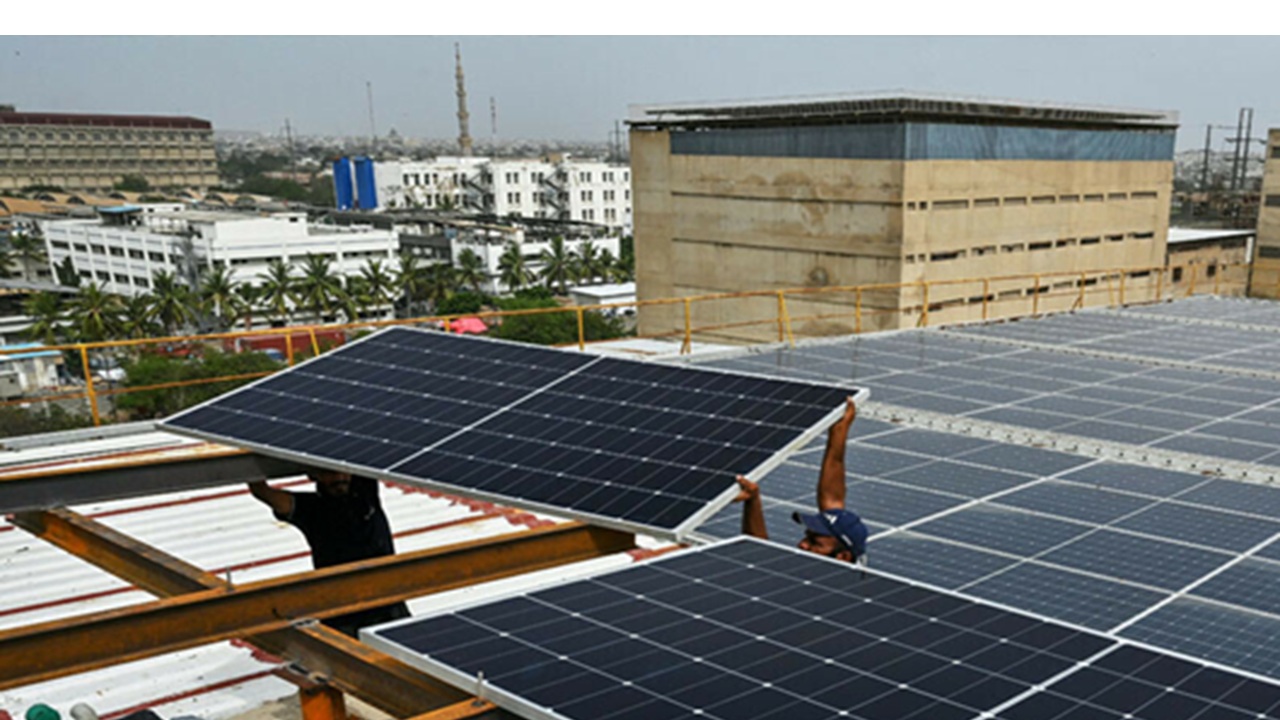
Solar panel prices in Pakistan have witnessed a sharp increase ahead of the federal budget, raising concerns among consumers, businesses, and renewable energy advocates. The latest surge comes amid speculation that the government may introduce new taxes or duties on imported solar equipment as part of upcoming fiscal measures.
According to market reports, prices of solar panels have increased significantly over the past few weeks, impacting both residential and commercial solar projects. The price hikes have affected some of the most commonly used panel categories, increasing the overall cost of solar installations across the country.
Industry stakeholders suggest that uncertainty surrounding potential taxation on imported solar products has triggered market adjustments. Traders and suppliers have responded to anticipated policy changes by revising prices upward, creating additional pressure on consumers seeking alternatives to rising electricity costs.
The increase is not limited to solar panels alone. Experts warn that inverters, batteries, mounting structures, and other essential components used in solar systems could also become more expensive if new taxes are implemented in the federal budget. Such developments would further increase the total investment required for solar energy projects.
READ MORE: Another North American Nation Moves to Restrict Social Media Access for Children
Pakistan has experienced remarkable growth in solar adoption over the past few years, driven by increasing electricity tariffs, improved solar technology, and growing interest in energy independence. Solar power has become one of the country’s fastest-growing energy sources, with households and businesses increasingly investing in rooftop systems to reduce utility expenses.
Industry representatives fear that higher import duties could slow the momentum of Pakistan’s renewable energy transition at a time when demand for clean and affordable energy solutions continues to expand. The solar sector has played a vital role in helping consumers manage energy costs while contributing to the country’s broader sustainability goals.
Despite the recent price increases, analysts believe long-term demand for solar technology will remain strong due to persistent electricity challenges and the growing attractiveness of renewable energy. However, future growth may depend heavily on the government’s budgetary decisions and policies toward the clean energy sector.
As the federal budget approaches, consumers, investors, and industry players are closely monitoring developments that could shape the future of solar energy in Pakistan. The coming weeks are expected to be critical in determining whether the recent price surge is temporary or the beginning of a broader increase in renewable energy costs.