

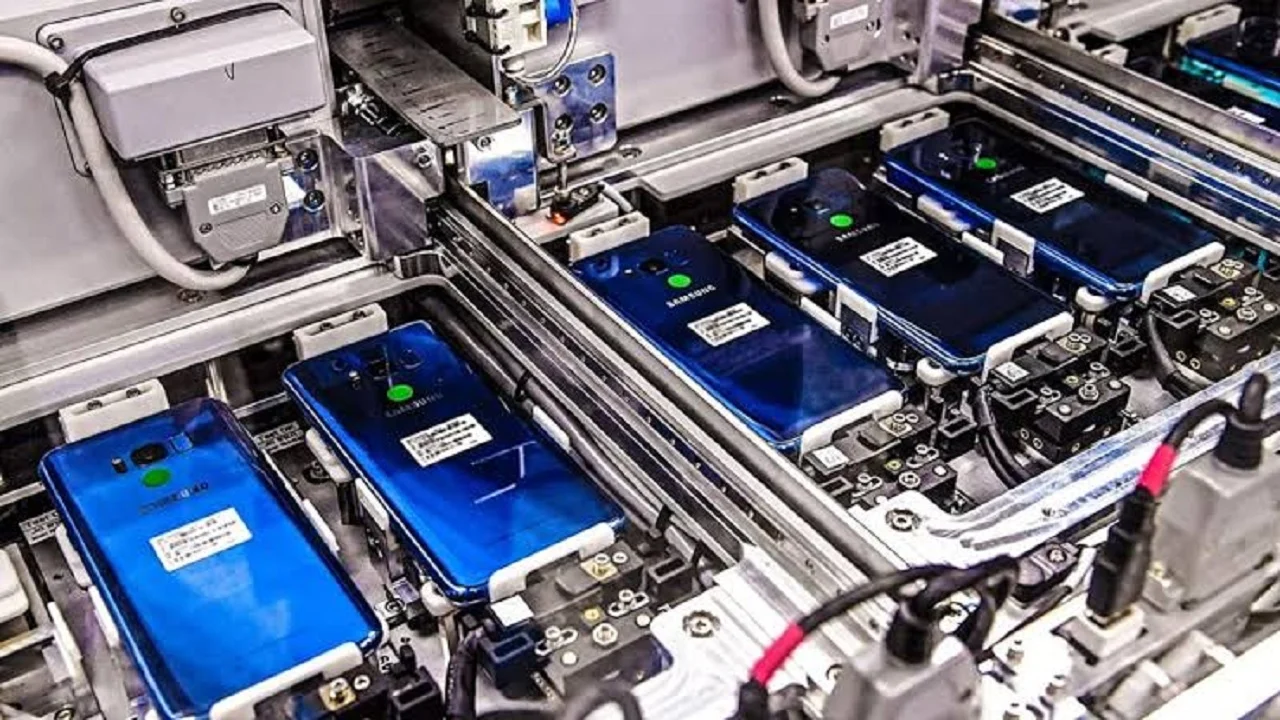
Pakistan’s mobile manufacturing industry has seen impressive growth in recent years, with millions of locally assembled mobile handsets and thousands of jobs created. However, the sector now eagerly awaits the government’s updated Mobile Device Manufacturing Policy, which industry experts say is vital for setting fresh localisation goals, expanding into new tech categories like tablets and IoT, and enabling mobile device exports globally.
Sources confirm that the Pakistan Telecommunication Authority (PTA) is working closely with the Engineering Development Board and the Ministry of Industries and Production to revamp the existing policy. This new version will introduce updated localisation targets, export guidelines, and broaden its scope to include tablets, IoT devices, Point-of-Sale (POS) systems, and Radio Frequency Identification (RFID) technology.
By leveraging Pakistan’s low-cost skilled labour and offering export-friendly incentives, the country aims to position itself as a regional mobile device export hub. In just the first two months of 2025, local manufacturing plants produced 4.88 million mobile handsets, dwarfing the 0.37 million imported during the same period.
READ MORE:
Pakistan Post Revises Parcel Pricing Policy for Domestic and International Shipments
This rapid growth is a direct result of the government’s push for local industry development and reduced dependency on imports. It builds upon earlier efforts like the Device Identification Registration and Blocking System (DIRBS), launched in 2019 to eliminate illegal mobile phones. DIRBS helped clean the market and provided a strong foundation for the Mobile Device Manufacturing Policy introduced in 2021.
Despite economic challenges and the COVID-19 pandemic, the policy has proven transformative. The PTA has so far issued manufacturing authorisations to 39 companies, including global names like Samsung, Vivo, and Oppo. During the fiscal year 2023-24, 94% of the 31.4 million devices manufactured or imported in Pakistan were assembled locally—about 29.6 million units—creating an estimated 60,000 jobs.
Pakistan’s journey from enforcing DIRBS to building a robust local manufacturing industry is a testament to effective policymaking and regulatory support. With the updated policy expected soon, the country is well on its way to becoming a key player in the global mobile device landscape.