

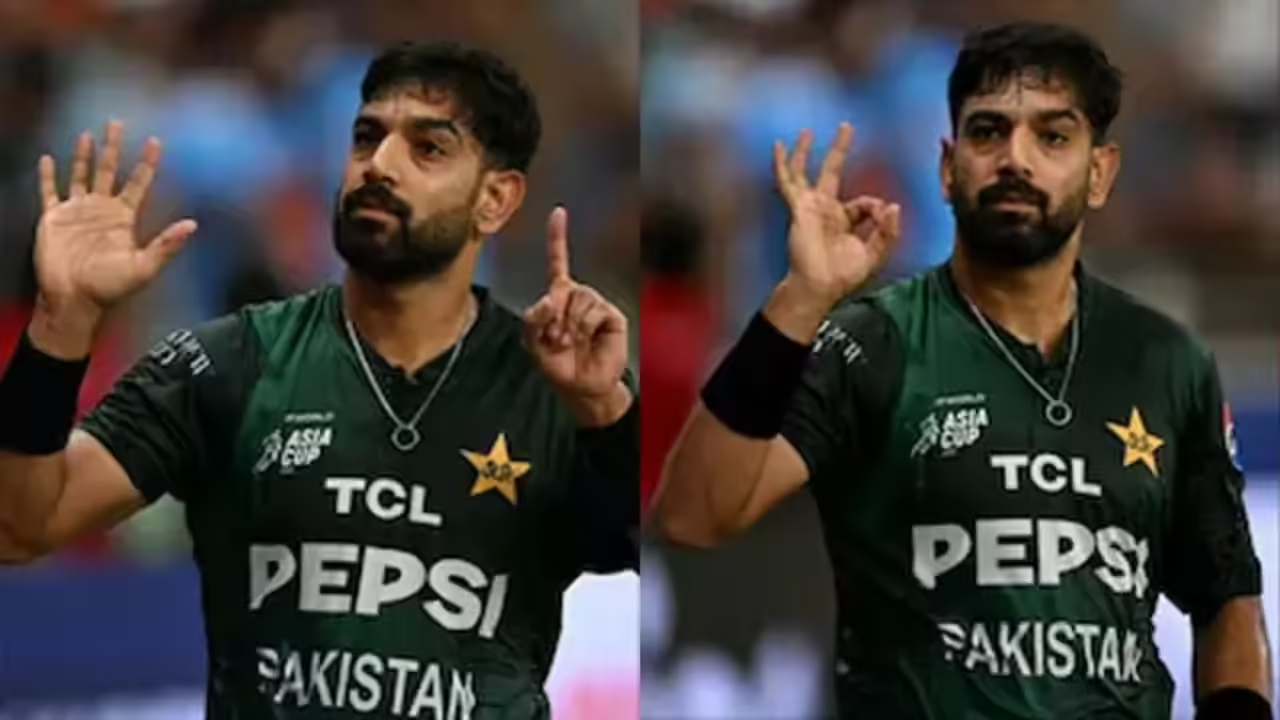
The Asia Cup Super Fours encounter between Pakistan and India was expected to be high-voltage, and while the on-field result favored India, it was Haris Rauf who grabbed the headlines with a controversial gesture that went viral worldwide.
Fielding near the boundary, Rauf responded to Indian fans’ heckling by flashing a “6-0” hand signal and then mimicking a plane crashing down. The symbolism referenced the Pakistan Air Force’s claimed air victory during the “Marka-e-Haq” battle, where six Indian fighter jets, including Rafales, were reportedly downed in retaliatory strikes under “Operation Bunyan-um-Marsoos.”
The gesture instantly split opinions across the cricketing world. Pakistani supporters praised Rauf’s bold display of national pride, while Indian fans condemned it as provocative and unsporting. The incident once again highlighted how the Indo-Pak rivalry magnifies every action, from a dropped catch to a symbolic hand sign.
READ MORE:
Xiaomi Set to Roll Out HyperOS 3 from October 2025, Based on Android 16
Pakistan’s Defence Minister Khawaja Asif further fueled the debate by endorsing the pacer’s act. On social media, he reiterated that “India will never forget PAF’s 6-0 victory,” giving Rauf’s gesture a political edge that extended beyond cricket.
Rauf also found himself in another heated moment earlier in the match during an animated exchange with Abhishek Sharma, prompting umpire intervention. The lack of post-match handshakes between the players reflected the lingering political undertones surrounding the tournament.
Although Pakistan endured a tough defeat on the scoreboard, Rauf’s gesture ensured the conversation extended far beyond cricket. It served as another reminder that in the Indo-Pak rivalry, every move carries historical weight and symbolic meaning.