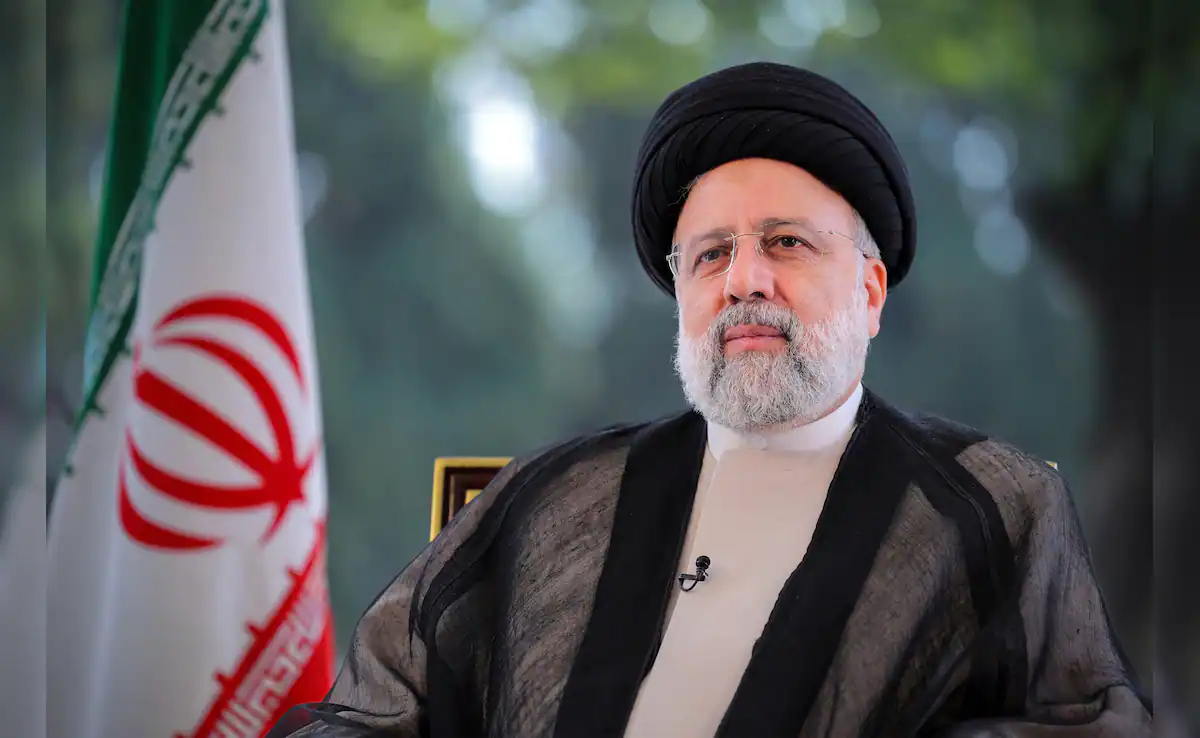

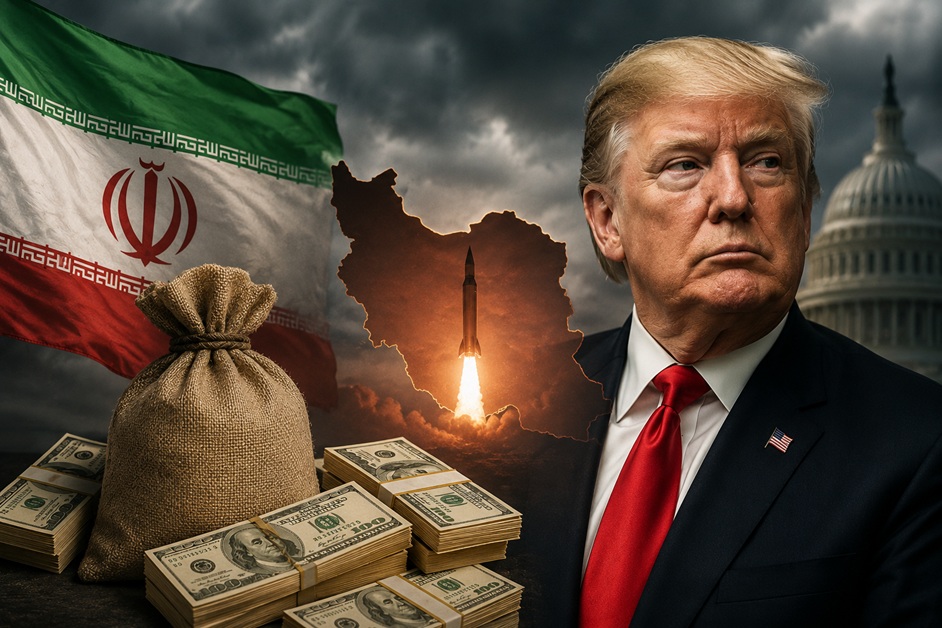
The Iran €50 Million Bounty Proposal Against Donald Trump has triggered widespread global attention after reports claimed Iranian lawmakers discussed offering a massive financial reward linked to retaliatory action against the former US president amid rising regional tensions.
The proposal was reportedly introduced by members of Iran’s National Security and Foreign Policy Committee. Committee chairman Ebrahim Azizi stated during an appearance on Iranian state television that lawmakers had prepared several retaliatory legislative measures following recent regional conflicts and military escalations.
According to reports, the draft legislation would obligate the Iranian government to pay €50 million to any individual or organization that carries out what lawmakers described as a retaliatory action against the US president. Iranian officials linked the proposal to longstanding tensions following the 2020 killing of Iranian General Qassem Soleimani in a US drone strike ordered during Trump’s presidency.
Also Read:
Trump Rejects Unacceptable Iranian Terms for Ending Conflict – US-Iran Tensions Escalate
The proposal has not been approved into law and remains under parliamentary review. Reports indicate that the measure is part of a broader package of security and military countermeasure bills currently being discussed within Iran’s political establishment.
International observers and analysts warn that such rhetoric could further escalate instability in the Middle East, especially at a time when regional tensions involving Iran, Israel, and the United States remain extremely fragile. Security experts also note that threats against Donald Trump linked to Soleimani’s assassination have surfaced multiple times in recent years.
Reports from international media outlets claim that fundraising campaigns and online support efforts linked to anti-Trump rhetoric have also circulated within Iran in recent months. However, no official implementation of the proposed bounty legislation has been confirmed so far.
The development has already generated strong reactions across global media and diplomatic circles, with many viewing the proposal as a significant escalation in hostile political messaging between Tehran and Washington.