

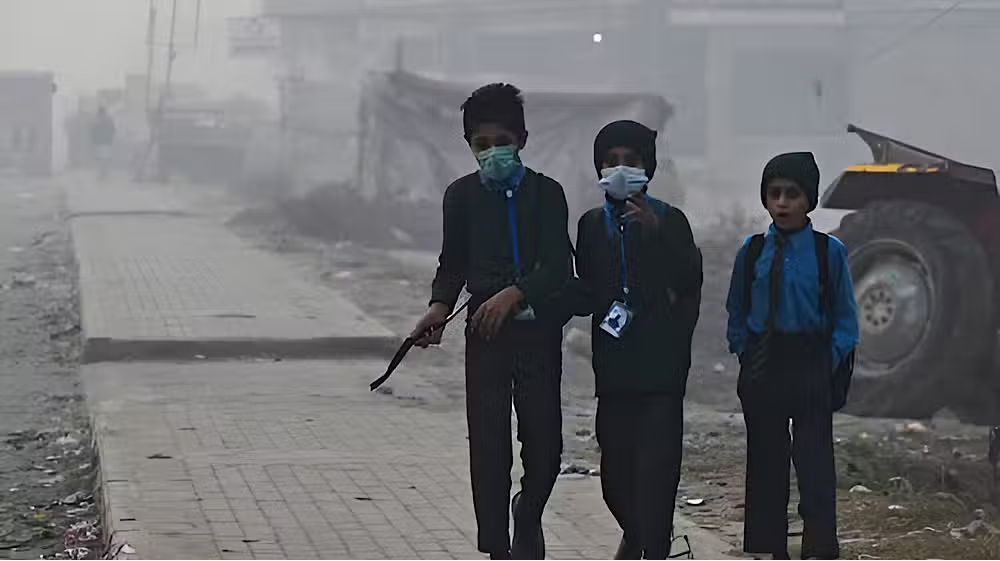
The National Institute of Health (NIH) has issued a warning about a significant rise in respiratory and cardiac illnesses due to dense smog expected from November through February. According to the institute, toxic pollutants combined with cold weather could severely impact public health, especially among children, the elderly, and individuals with pre-existing medical conditions.
The NIH highlighted that smog can trigger pneumonia and other respiratory complications, as harmful particles mix with low winter temperatures. The advisory emphasized that smog not only affects health but also impacts the economy and overall quality of life. Citizens may experience breathing difficulties, heart problems, and increased exposure to dangerous pollutants during the smog season.
Cities such as Lahore, Multan, Gujranwala, Rawalpindi, and Islamabad are particularly vulnerable, with Lahore identified as the most polluted city requiring urgent precautions.
The advisory called on healthcare institutions, local authorities, and environmental experts to take immediate measures to mitigate smog-related risks. Residents are advised to limit outdoor activities, particularly for children, and to use protective masks when venturing outside.
READ MORE: Apple iPhone Fold May Feature 6,000mAh Battery, Latest Leak Reveals
The NIH stressed that preventive measures are crucial as Pakistan prepares for months of severe smog and declining air quality.
✅ SEO-Optimized Headline
NIH Warns of Rising Respiratory and Cardiac Illnesses Amid Severe Smog in Pakistan
✅ Meta Description
The National Institute of Health (NIH) warns of a surge in respiratory and cardiac illnesses during Pakistan’s smog season. Lahore, Multan, and Islamabad are most affected.