
The ongoing Pakistan-Led Iran War Talks have entered what officials are calling a critical final phase, even as tensions remain high between the United States and Iran. Recent developments saw both Donald Trump and Iranian officials publicly exchange warnings and sharp remarks while diplomatic negotiations continue behind closed doors.
According to reports, US President Donald Trump stated there is a “50/50” chance of reaching a peace agreement with Iran, while also warning that military action could resume if negotiations collapse. Iranian officials, meanwhile, insisted that Tehran would not compromise on its national interests and warned of severe consequences if hostilities restart.
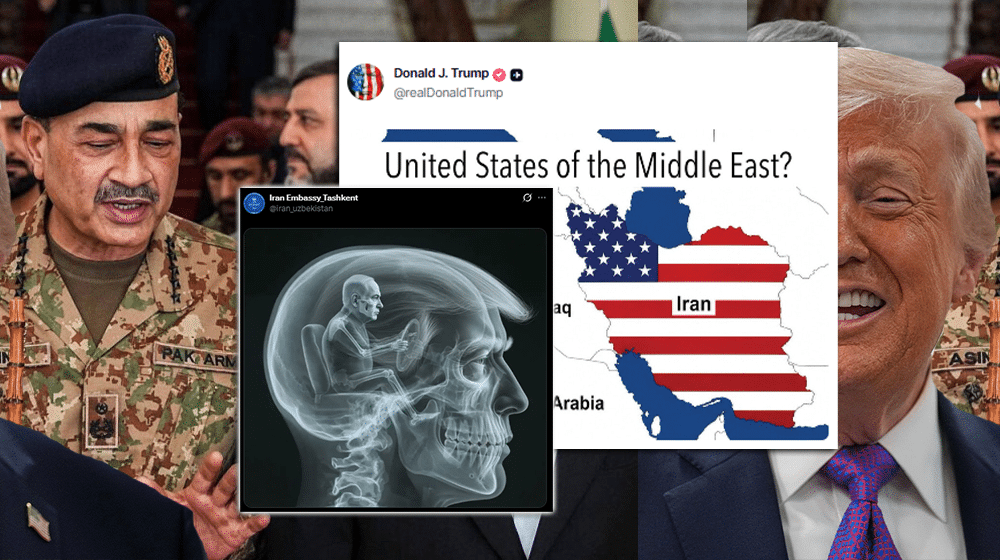
Pakistan has emerged as one of the key mediators in the ongoing conflict resolution process, with Field Marshal Syed Asim Munir and senior Pakistani officials playing an active diplomatic role in facilitating communication between Washington and Tehran.
International media reports suggest that negotiators are currently refining a broader memorandum of understanding intended to formally end the conflict, reopen the Strait of Hormuz, and establish a framework for future regional negotiations.
READ MORE: Field Marshal Iran Peace Talks Conclude as Asim Munir Departs Tehran
The talks come after months of regional instability, military escalation, sanctions disputes, and tensions surrounding Iran’s nuclear program. The conflict has also affected global oil markets and international shipping routes, particularly through the strategically important Strait of Hormuz.
Iranian state-linked social media accounts and officials have also escalated rhetoric online in recent days, reportedly sharing provocative content targeting Trump as negotiations intensified. Meanwhile, Trump continued signaling both optimism for diplomacy and readiness for renewed military strikes if talks fail.
Several regional countries, including Qatar, Saudi Arabia, Turkey, Egypt, and the UAE, are also closely involved in diplomatic coordination efforts aimed at preventing another large-scale escalation in the Middle East. Analysts believe Pakistan’s growing diplomatic involvement reflects its attempt to position itself as a regional peace facilitator.
Despite signs of progress, major disagreements reportedly remain over sanctions relief, nuclear restrictions, missile programs, and long-term regional security guarantees. However, officials from multiple sides have indicated that negotiations are closer to a breakthrough than at any previous stage.
Global markets and political observers continue monitoring the negotiations closely due to their potential impact on energy prices, geopolitical stability, and international trade routes.