
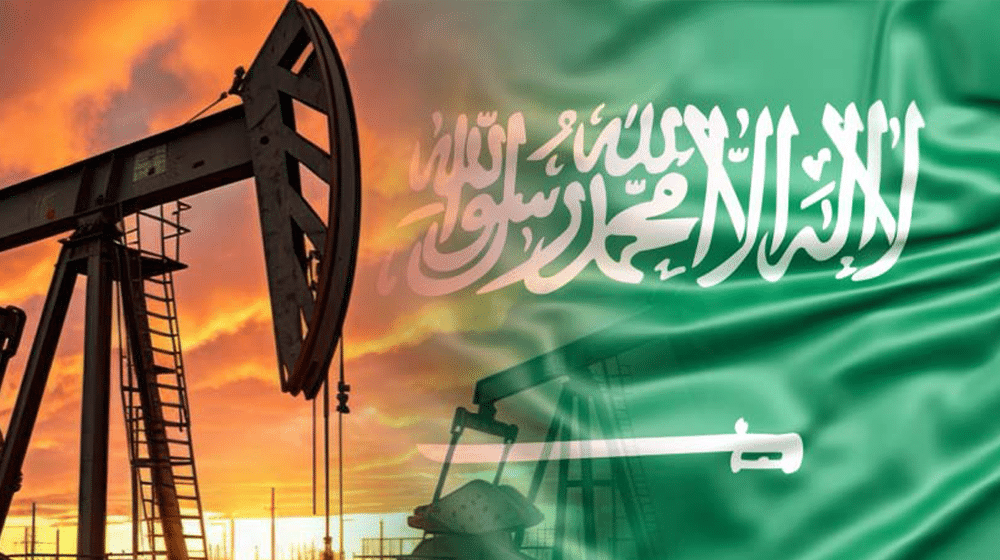
Pakistan has formally requested an extension of its $1.2 billion Saudi oil financing facility after fully utilizing the arrangement between May 2025 and April 2026. The facility has played a crucial role in supporting Pakistan’s foreign exchange reserves and easing pressure on the country’s energy import bill.
Under the current arrangement, the Saudi Fund for Development provided deferred oil payments worth $100 million per month, allowing Pakistan to manage petroleum imports without immediate cash outflows.
Pakistan Seeks Continued Financial Support
According to reports, Islamabad has approached Saudi Arabia to continue the facility as Pakistan remains under its ongoing IMF economic reform program. However, Saudi authorities have not yet officially confirmed whether the arrangement will be renewed.
The deferred oil payment mechanism is considered highly important for Pakistan’s balance of payments management because petroleum imports account for a significant portion of the country’s import expenditure. Analysts believe the continuation of the facility could help stabilize external financing needs during a period of economic uncertainty.
Saudi Oil Facility Supports Pakistan’s Energy Needs
The Saudi Oil Facility has become one of Pakistan’s key financial support mechanisms in recent years. The agreement allows Pakistan to import oil on deferred payment terms, helping reduce immediate pressure on foreign currency reserves.
READ MORE: Google AI Studio Can Now Build Android Apps in Minutes
Officials say the facility has been particularly valuable amid rising global energy prices and ongoing economic challenges.
Reports also suggest Pakistan has explored the possibility of increasing the facility beyond $1.2 billion in future discussions with Saudi authorities as part of broader economic cooperation proposals.
Broader Pakistan-Saudi Economic Cooperation
The extension request comes amid wider economic negotiations between Pakistan and Saudi Arabia involving investment cooperation, financial support, and strategic partnerships under the Special Investment Facilitation Council (SIFC) framework.
Saudi Arabia remains one of Pakistan’s closest economic partners and has previously provided financial assistance through deposits, oil facilities, and investment commitments aimed at supporting Pakistan’s economic stability.
Economic experts believe continued Saudi support could strengthen investor confidence and help Pakistan maintain external account stability while implementing IMF-backed reforms.
IMF Program and External Financing Pressures
Pakistan is currently navigating multiple external financing challenges while working to stabilize the economy under its IMF program. Alongside the Saudi oil facility extension request, the government is also pursuing rollover arrangements and financial support from other regional partners to strengthen foreign exchange reserves.
The outcome of negotiations with Saudi Arabia is expected to play an important role in Pakistan’s short-term economic planning and energy financing strategy.