
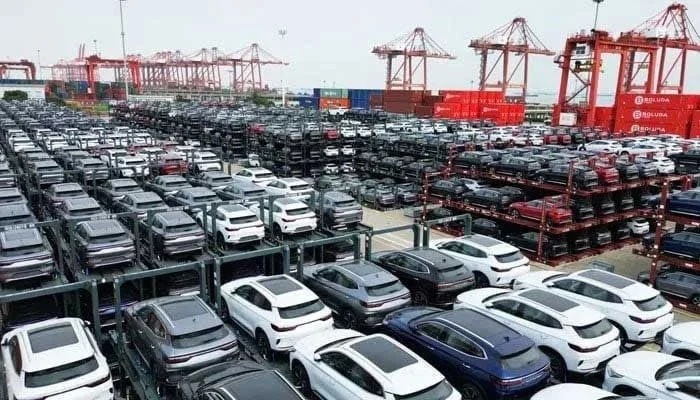
Pakistan is preparing to implement a major shift in its automotive sector by gradually lowering tariffs on imported vehicles under a new five-year auto policy aimed at trade liberalization and industry reform.
According to official reports, the government has agreed with international financial partners, including the IMF, to restructure the existing tariff system in phases. The weighted average tariff on vehicle imports is expected to decline from 10.6% to around 7.4% by 2030, with an initial reduction to approximately 9.5% in the upcoming 2026–27 budget.
The new policy will introduce a simplified tariff structure with four slabs—0%, 5%, 10%, and 15%—replacing the current complex duty system. Customs duties on completely built-up (CBU) vehicles are expected to be capped at 15% over the next few years.
Officials have also confirmed that no new regulatory duties will be imposed on imports, while existing additional customs and regulatory duties will be gradually phased out as part of long-term reforms.
The policy is designed to promote competition in the automotive market, encourage efficiency in local manufacturing, and ultimately help reduce vehicle prices for consumers. At the same time, the government aims to increase localization of auto parts production and strengthen the domestic supply chain.
Industry experts believe this reform could significantly reshape Pakistan’s auto sector by opening it further to international competition while also pushing local manufacturers to improve quality and productivity.
The new auto policy is expected to be formally implemented from July 1, 2026, after final approvals and consultations with stakeholders.