
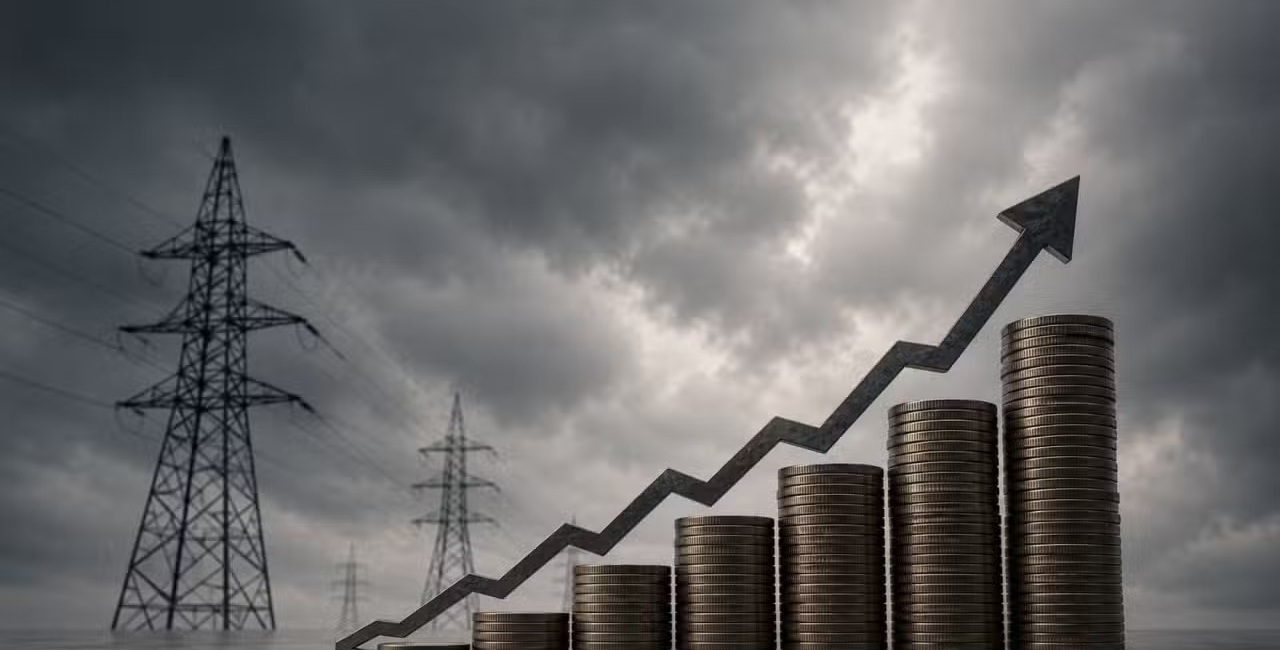
Pakistan’s energy sector is facing a sharp rise in financial pressure as circular debt has reportedly increased by more than 1200% within just 10 months.
According to recent reports, the rapid escalation highlights deepening structural issues in the power sector, including inefficiencies in billing, rising transmission losses, and delays in tariff adjustments. The growing debt burden is placing additional strain on the country’s already fragile fiscal position.
Officials and analysts point out that the accumulation of circular debt continues to disrupt cash flow across the energy supply chain, affecting power producers, distributors, and fuel suppliers. This creates a cycle of delayed payments and operational inefficiencies that further worsens the crisis.
READ MORE: Workers Spending Hours Managing AI Instead of Doing Core Tasks, Report Reveals
Experts warn that without urgent reforms, including better governance, improved recovery systems, and targeted subsidies, the circular debt issue could continue to escalate and impact energy reliability and economic stability.
The situation has raised concerns among policymakers as Pakistan seeks long-term solutions to stabilize its energy sector and reduce financial leakages.