

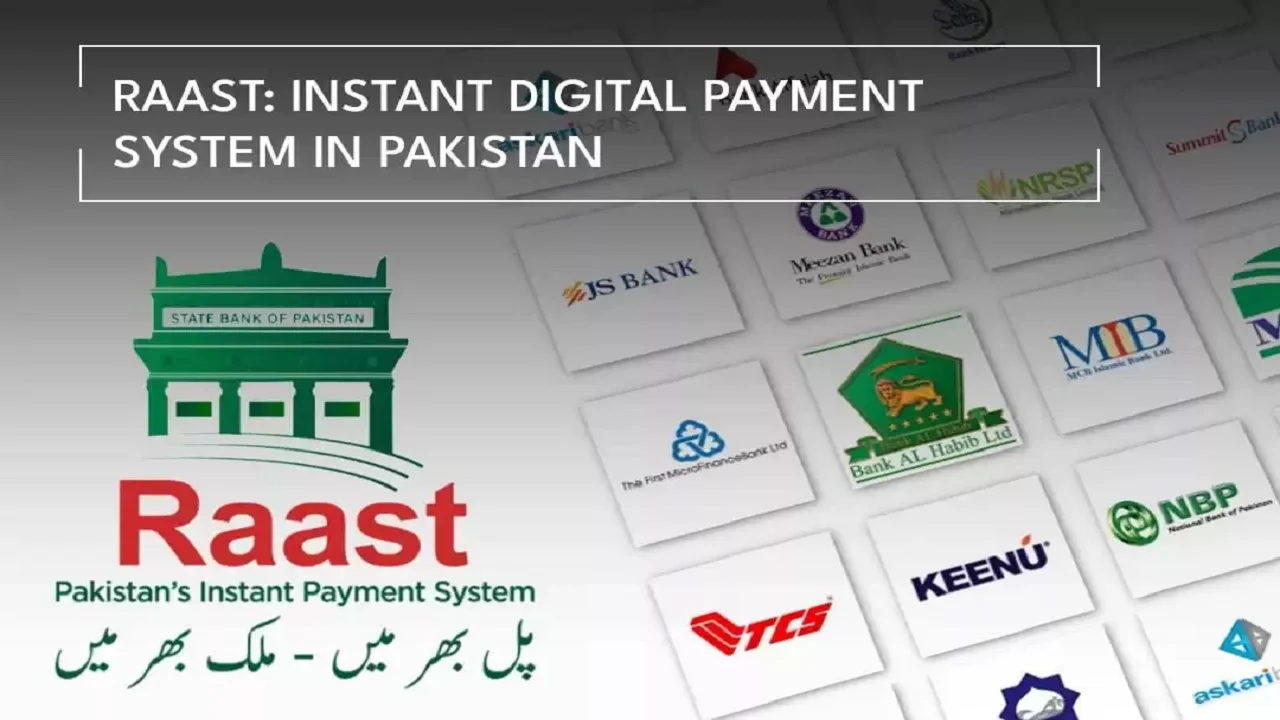
Pakistan’s Real-time Automated and Secure Transfer system (RAAST) is still under development, with plans to fully support person-to-government (P2G) and government-to-person (G2P) digital payments. According to a recent World Bank report, once RAAST is fully operational, government agencies will need to integrate their platforms with it to enable efficient and secure digital transactions.
This integration could significantly improve the government’s payment systems by reducing operational costs and increasing efficiency. For governments already shifting to digital systems, RAAST could enhance service delivery. For those at the early stages of digitalisation, it provides a strong foundation to begin their transition. Embracing digital payments can boost public trust and convenience while streamlining government processes.
RAAST and the Future of Financial Inclusion in Pakistan
One of the most impactful benefits of digitising government payments is increased financial inclusion. Easy access to digital transactions can encourage more people to engage with the formal financial system. However, financial inclusion remains a major challenge in Pakistan. The country has the lowest bank account ownership rate in the region, with 114 million adults still unbanked. Only 18% of adults have ever used digital payment methods.
READ MORE: Samsung Galaxy S25 Edge Leak Reveals Launch Date, Price, and Specs
READ MORE: Samsung Galaxy S25 Edge Leak Reveals Launch Date, Price, and Specs
The disparity in access is particularly wide among women and low-income groups, who are significantly less likely to own bank accounts or use digital financial services.
In addition to financial access issues, Pakistan also faces challenges in data sharing between government entities. Despite the widespread use of NADRA’s CNIC as a national identifier, the country lacks effective laws, systems, and policies to enable secure data exchange across departments.
To address this, Pakistan must invest in data integration tools, such as API gateways and government service buses, to enable smooth and secure communication between systems. These tools would allow data to flow both horizontally (across sectors and agencies) and vertically (from local to federal levels).
Another issue is the lack of consistent data governance. Provinces are progressing at different speeds and often without coordination, which creates inefficiencies. There’s a clear need for shared infrastructure and strong institutional frameworks to ensure secure and standardized data sharing across the nation.