

The United States has extended its ceasefire with Iran, just hours before it was due to expire, in an effort to keep fragile peace negotiations alive amid growing uncertainty over the diplomatic process.
According to reports, President Donald Trump announced that the ceasefire would continue indefinitely while discussions between Washington and Tehran remain unresolved. The decision follows stalled progress in negotiations, with Iran yet to present a unified and coordinated peace proposal.
The move comes after Pakistan’s active diplomatic involvement in mediating between the two sides. Pakistani leadership has repeatedly urged both parties to avoid escalation and allow more time for negotiations to develop into a structured peace agreement. Islamabad has also hosted and facilitated early rounds of talks between US and Iranian representatives.
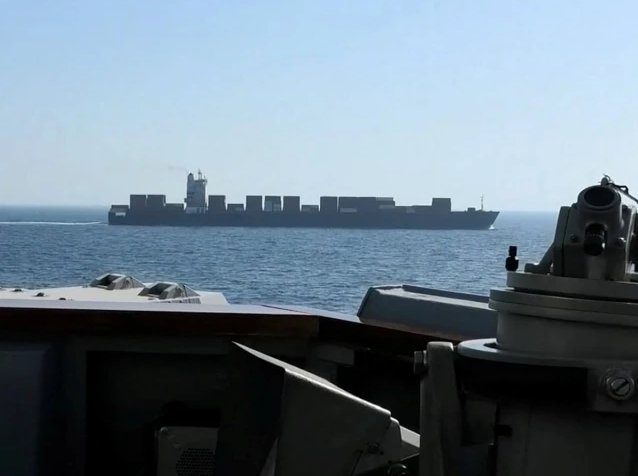
Despite the extension of the ceasefire, the situation remains tense. The United States continues to maintain military readiness and a naval presence in the region, while Iran has expressed concerns over ongoing pressure and maritime restrictions. Both sides continue to accuse each other of undermining trust and violating the spirit of the agreement.
READ MORE: Trump Extends Iran Ceasefire as US-Iran Peace Talks Face Uncertainty
Reports indicate that planned high-level negotiations have been delayed, largely due to Iran’s internal political divisions and its inability to present a single negotiating position. This has further complicated efforts to move toward a lasting settlement.
While the ceasefire has temporarily prevented further escalation, analysts warn that the lack of diplomatic breakthrough keeps the region in a highly unstable state. The extension is seen as a short-term pause rather than a permanent solution.
For now, the future of US–Iran relations depends on whether both sides can overcome mistrust and return to structured negotiations in the coming days.