
FBR Plans to Double Minimum Tax for Key Distribution Sectors
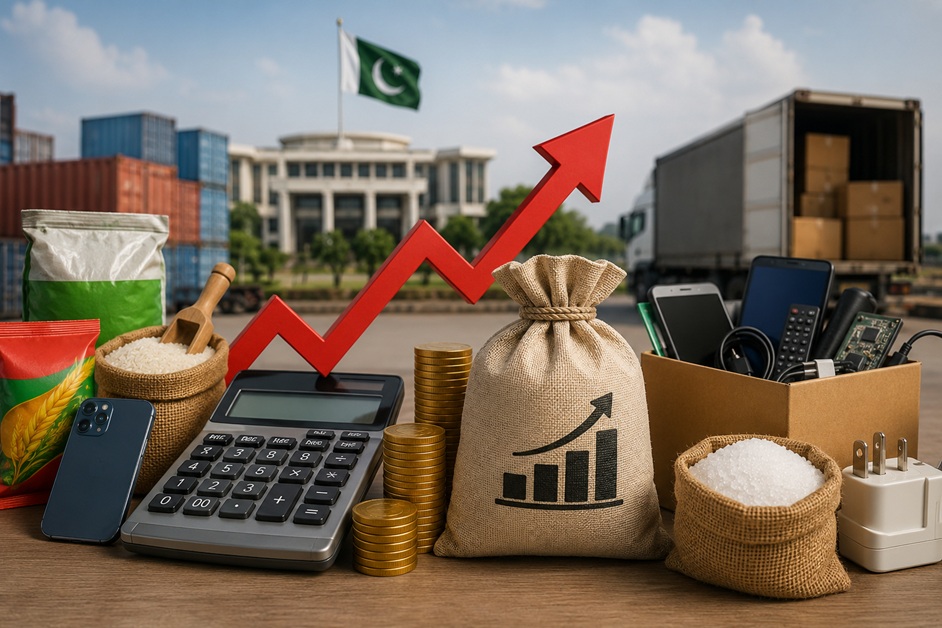
Pakistan’s Federal Board of Revenue (FBR) has proposed a significant increase in the minimum tax rate for distributors, wholesalers, dealers and sub-dealers operating in several major consumer sectors. The proposal has been introduced through the Finance Bill 2026 and could affect businesses involved in the supply chain of mobile phones, packaged food products, fertilizers, sugar and electronics.
Which Sectors Will Be Affected?
Under the proposed amendment, a minimum tax rate of 0.5 percent on turnover will apply to documented distributors and wholesalers dealing in:
- Locally manufactured mobile phones
- Packaged food products
- Fertilizers
- Sugar
- Electronics
The revised tax rate will apply to businesses that qualify under the specified provisions of the Income Tax Ordinance and remain compliant with tax documentation requirements.
What Is Changing in the Tax Structure?
The proposed rate of 0.5 percent represents a 100 percent increase from the previously reduced rate of approximately 0.25 percent that applied to certain documented supply-chain businesses meeting regulatory conditions. If approved, the amendment will effectively double the minimum turnover tax for eligible distributors and wholesalers.
Will Mobile Phones and Electronics Become More Expensive?
The proposed measure does not introduce a direct tax on consumers purchasing mobile phones, food products or electronics. Instead, it increases the minimum tax burden on distributors and supply-chain intermediaries.
However, businesses may choose to pass part of the additional cost to consumers through higher retail prices. The extent of any price increase will depend on market competition, business strategies and overall economic conditions.
Also Read:
Government Raises Penalty for Late Tax Return Filing to Rs. 25,000
Expected Impact on Prices
Industry experts believe the immediate impact on consumer prices could remain limited. Since the tax applies at the distributor level, retailers and wholesalers will decide whether to absorb the additional expense or transfer it to end users.
As a result, price changes could vary across products and regions, with some items experiencing little to no increase.
Who Will Qualify for the Reduced Tax Regime?
The proposed 0.5 percent minimum tax rate will apply only to businesses that are listed on the Active Taxpayers List (ATL) under both:
- The Sales Tax Act, 1990
- The Income Tax Ordinance, 2001
Businesses that fail to meet these compliance requirements may be subject to standard minimum tax rates under existing tax laws.
Understanding Section 113 of the Income Tax Ordinance
Section 113 imposes a minimum tax on turnover, ensuring that businesses contribute a minimum amount of tax even when they report low profits or losses. The provision is designed to broaden the tax base and improve revenue collection from registered businesses.
Conclusion
The Finance Bill 2026 proposes a substantial increase in the minimum tax rate for distributors and wholesalers in key sectors, including mobile phones, food products and electronics. While consumers will not face a new direct tax, businesses may experience higher operating costs that could influence pricing decisions in the future. The final impact will depend on whether the proposal receives parliamentary approval and how businesses respond to the increased tax burden.