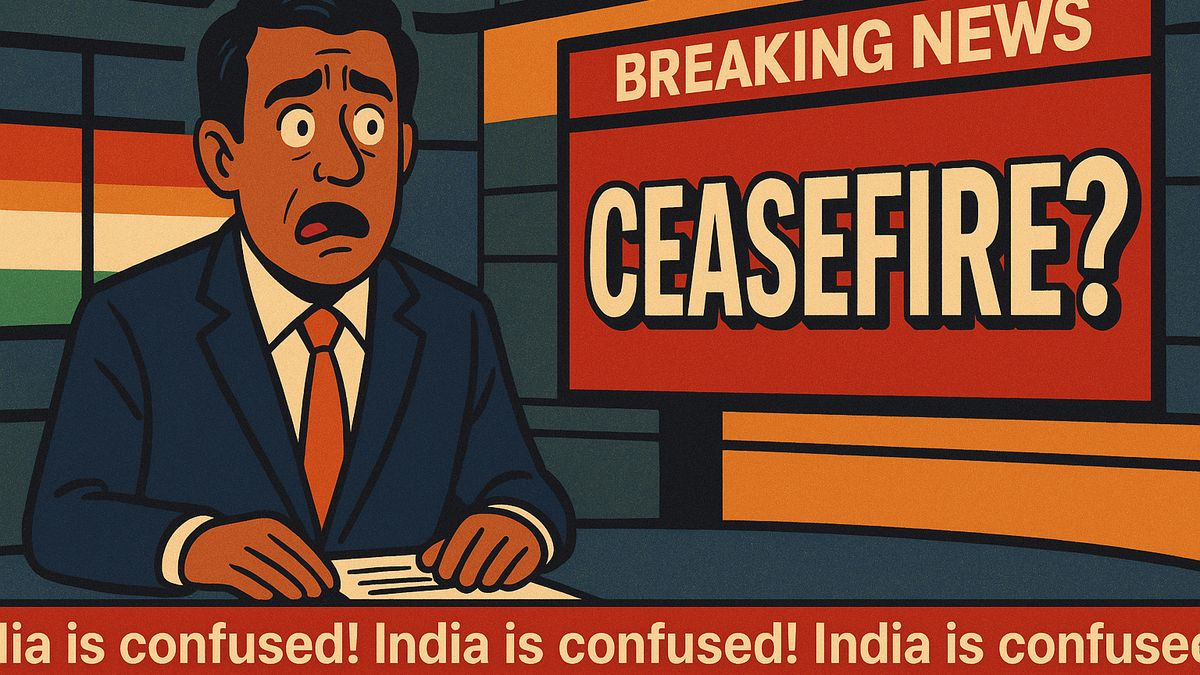


Global oil prices have started to decline after Iran submitted what is being described as a final proposal to end its ongoing conflict with the United States, raising cautious optimism in international markets.
According to recent developments, Tehran delivered a fresh negotiation proposal to Washington through Pakistani mediators, signaling a potential diplomatic breakthrough after weeks of deadlock.
The move has had an immediate impact on global energy markets. Oil prices, which had surged to wartime highs in recent weeks due to supply disruptions and fears of escalation, began to fall as investors reacted to the possibility of reduced geopolitical risk.
Brent crude and U.S. West Texas Intermediate both dropped notably following the news, reversing part of the sharp gains triggered by the conflict. The war had previously pushed oil prices above $120 per barrel at peak levels, largely due to disruptions in the Strait of Hormuz—one of the world’s most critical oil supply routes.
READ MORE: Power Minister Announces End of Loadshedding After ‘April Torture’
Market sentiment improved as hopes for a negotiated settlement resurfaced, with investors anticipating that a de-escalation could restore supply stability and ease pressure on global energy prices. However, uncertainty remains, as U.S. leadership has indicated dissatisfaction with Iran’s terms, suggesting that a final agreement is still far from guaranteed.
Pakistan continues to play a key mediating role in facilitating dialogue between the two sides, hosting backchannel diplomacy aimed at preventing further escalation and stabilizing the region.
Despite the recent dip, analysts warn that oil markets remain highly volatile, and prices could rise again if negotiations fail or tensions escalate further.